With Regard to the Biological Influences of Anorexia Nervosa
Risk factors are variables which predict subsequent development of later pathology in an individual currently disorder and symptom-free Stice 2002. Anorexias actual cause is inconclusive.

Anorexia Nervosa A Review Of Neurobiology Diagnosis And Management
The risk factors may also interact differently in different people.
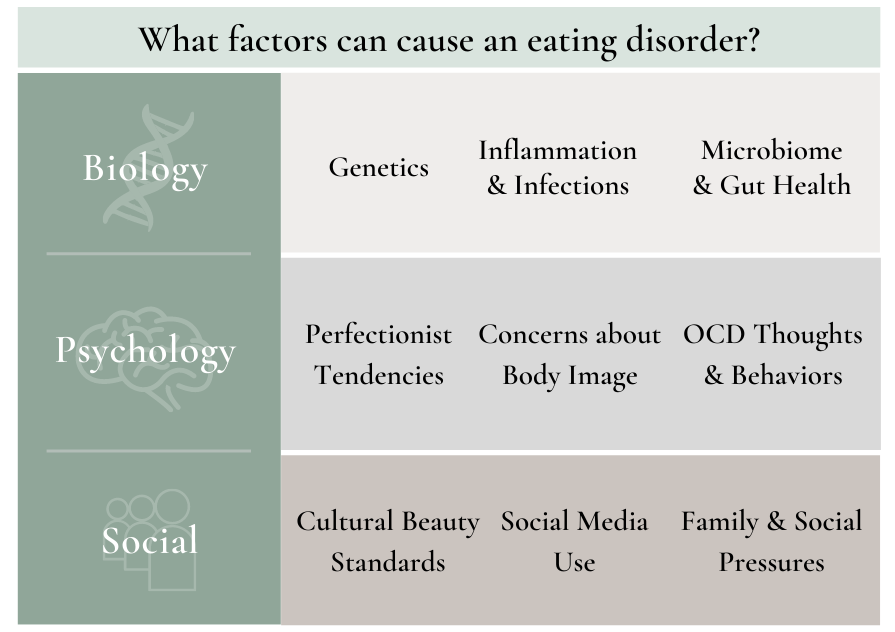
. Family interactionspressures regarding social presentations Psychological. Anorexia nervosa is an eating disorder characterized by severe weight loss from self-induced starvation and fear of fatness with loss of menstrual periods in women or decreased sexual drive in men. As with many disorders it is most likely the combined effect of biological psychological and environmental variables.
Current ideas on the biological origins of anorexia and bulimia will be explored in this paper. Anxiety focused on appearance and presentation to others Distorted body image. Although it is unclear which genes are involved chromosomal irregularities may put some people at a higher risk of developing anorexia.
This evidence suggests that genes influencing both eating regulation and personality and emotion may be important contributing factors. In other words this is a complex disorder that results from an interplay of these factors. Role of socio-cultural factors in the genesis and management of anorexia nervosa have been discussed.
Most recent efforts have focused on the possible link between anorexia nervosa and affective disorders. Anorexia nervosa and bulimia nervosa are culturally determined and not biologically influenced. However there is strong evidence for the possibility of susceptible genes on chromosome one that predisposes someone to anorexia Grice et al 2002.
Genetic linkage on chromosome 1 for the complex psychiatric disorder. Several factors may be responsible for developing anorexia. With regard to the biological influences of anorexia nervosa and bulimia nervosa the most accurate statement is although the studies are still limited there appears to be some biological influence in the development of anorexia nervosa and bulimia nervosa.
Particular emphasis is given to research which discusses. Of all people diagnosied with Anorexia Nervosa have a family member with the disease. Biological and genetic factors are infrequently cited as causes of anorexia nervosa.
It occurs frequently but not exclusively in young women. Genetic causes of anorexia For decades people believed social cultural and family behaviors were the main cause of anorexia. The biological explanation for Anorexia Nervosa can be explained by using the Biomedical model which suggests that psychological problems have physical causes.
But anorexia can run in. Anorexia is a bio-psycho-social illness meaning that biological psychological and sociocultural aspects contribute to the development of the illness. Its origins are obscure despite the presence of many theories.
With regard to the biological influences of anorexia nervosa and bulimia nervosa the most accurate. Anorexia nervosa is a severe and complex disorder with incompletely known vulnerability factors. It could be from genes that the parent passed to the child.
Researchers have discovered biological evidence of a genetic underpinning to anorexia nervosa. Even when certain predisposing or precipitating factors are identified like a family history of eating disorders or a traumatic event there will. A lot of neurobiological studies believed that anorexia nervosa resulting from defect in the neuronal processes of appetite and emotionality.
Although studies are still limited there appears to be some biological influence in the development of anorexia nervosa and bulimia nervosa. Up to 24 cash back Different Theories of Anorexia Theory 1 Anorexia Nervosa caused by Biological factors People who have relatives who have the disorder are at higher risk of contracting the disease. Anorexia nervosa and bulimia nervosa are culturally determined and not biologically influenced.
We report here a patient of anorexia nervosa in whom the above mentioned factors accompanied by a recent stress played an important role in the development of illness. Up to 24 cash back Anorexia Nervosa is caused by the combined factors of social environmental psychological and biological genetics. Genetics appears to play a significant role in predisposing a person to developing an eating disorder.
Cultural pressure to be thin Environmental. Risk factors can have effects mitigated by protective factors or amplified by potentiating factors. Stress of any kind can act as a precipitating factor.
This article reviews the literature concerned with investigating psychiatric disturbances and genetic variables hypothesized as predisposing factors in the etiology of anorexia nervosa. Family and twin studies have suggested that genetic factors contribute to about 50 of the variance for the development of an eating disorder and that anorexia shares a genetic risk with clinical depression. The aim of this study was to determine the characteristic features which contribute to inappropriate eating attitudes in people suffering from anorexia nervosa based on an analysis of recent data.
Factors influencing these attitudes have a genetic neurobiological biochemical affective-motivational cognitive and behavioral background. Anorexia Nervosa has been associated with numerous broad ranging risk and maintenance factors. These include areas ranging from genetic factors to neurotransmitter and hormone imbalances.
It is generally recognized that anorexia nervosa is a familial disorder but the majority of twin studies have shown that the concordance rate for monozygotic twins is higher on average 44 than for dizygotic twins on average 125. Eating disorders including anorexia are complex and include a range of risk factors including biological psychological and cultural. The brain and hormonal level changes during puberty are also thought to be associated with anorexia nervosa and the incidence of the condition is highest during this time.
This is the first genetic linkage finding we have in anorexia so were quite excited notes the studys first author Dorothy Grice MD of the University of Pennsylvanias department of psychiatry and Center for. With regard to the biological influences of anorexia nervosa and bulimia nervosa the most accurate statement is a.

Microbial Influences In Anorexia Nervosa An Brain And Intestine Download Scientific Diagram

Alternative Frameworks For Advancing The Study Of Eating Disorders Trends In Neurosciences
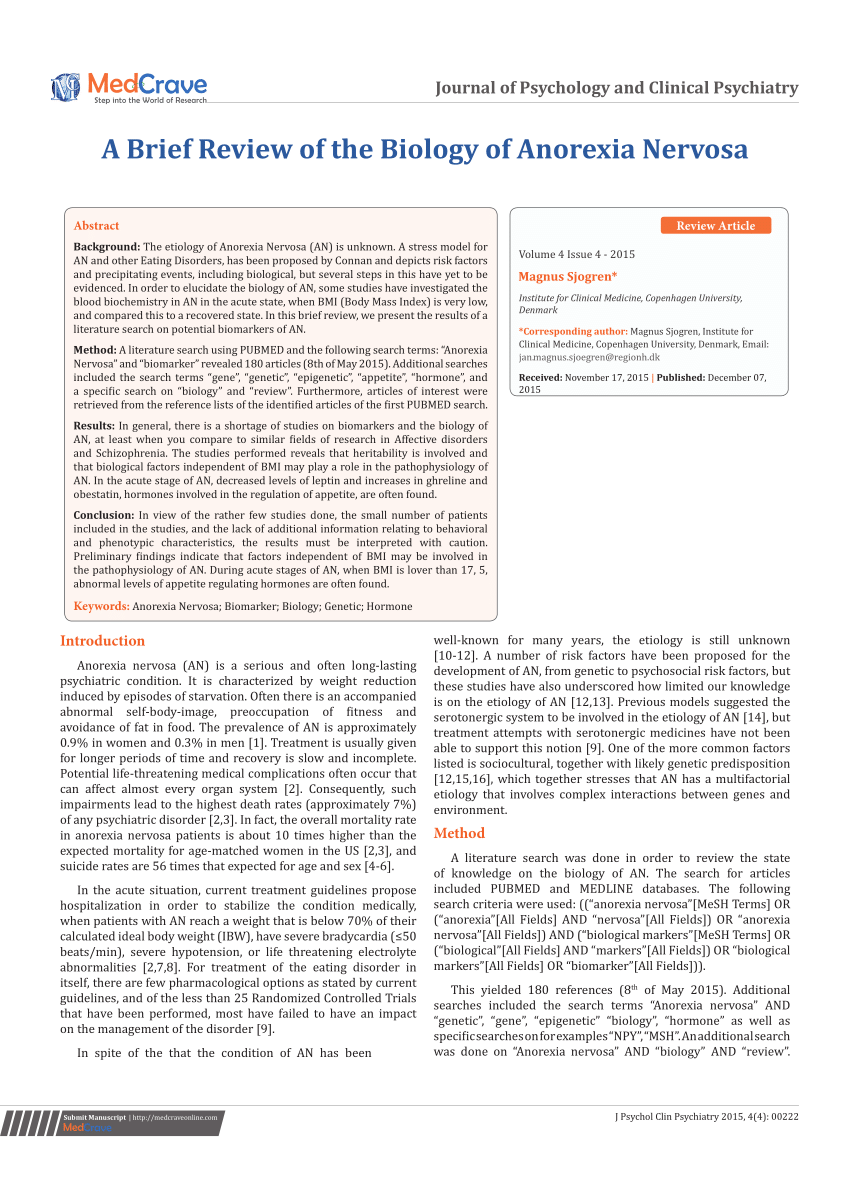
Pdf A Brief Review Of The Biology Of Anorexia Nervosa

Eating Disorders Clinical Practice Osmosis
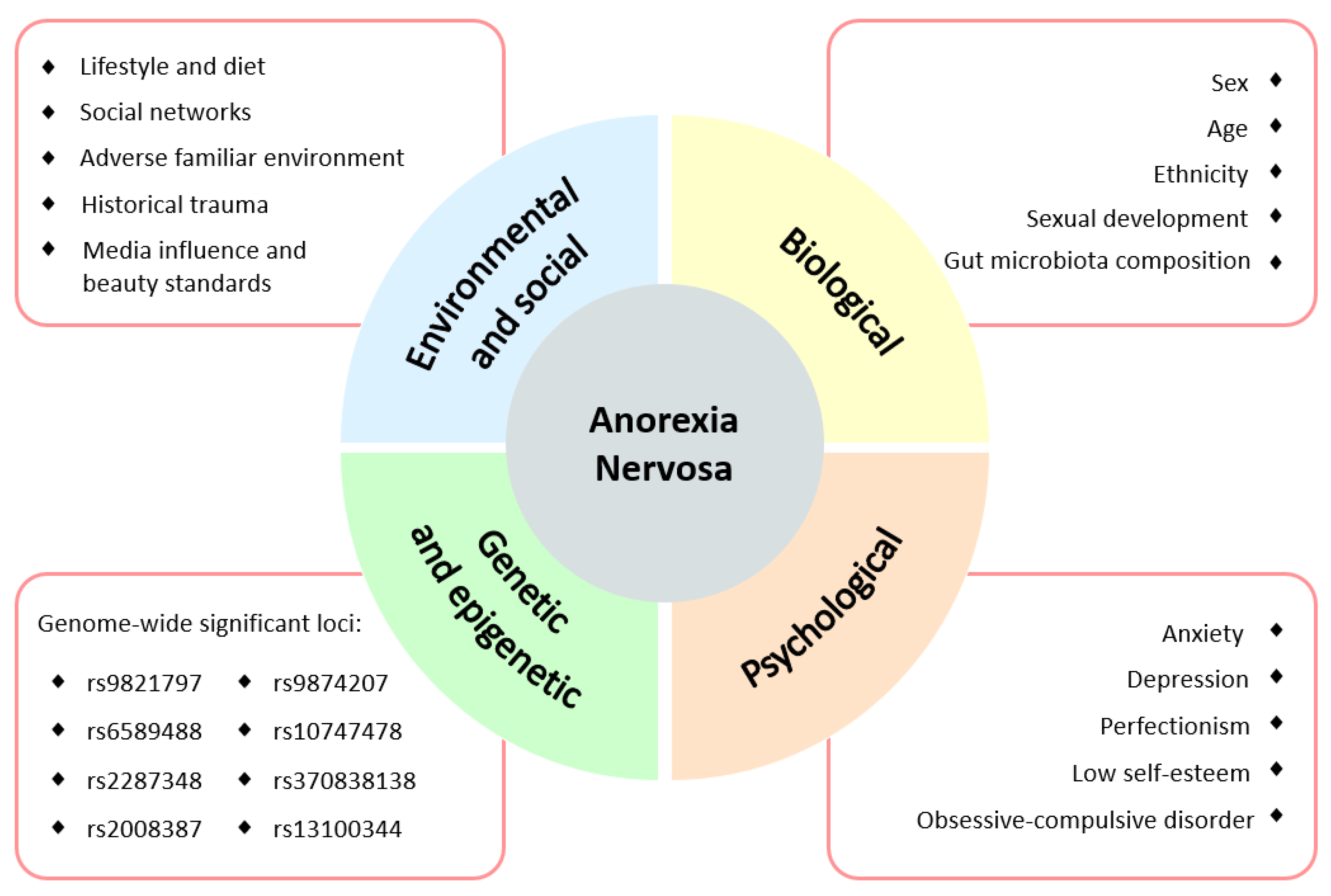
Nutrients Free Full Text Unveiling Metabolic Phenotype Alterations In Anorexia Nervosa Through Metabolomics Html

Specific Gut Microbial Biological And Psychiatric Profiling Related To Binge Eating Disorders A Cross Sectional Study In Obese Patients Clinical Nutrition

Anorexia Nervosa A Review Of Neurobiology Diagnosis And Management
Overlooked Causes Of Eating Disorders Inflammation Infections Suruchi Chandra M D
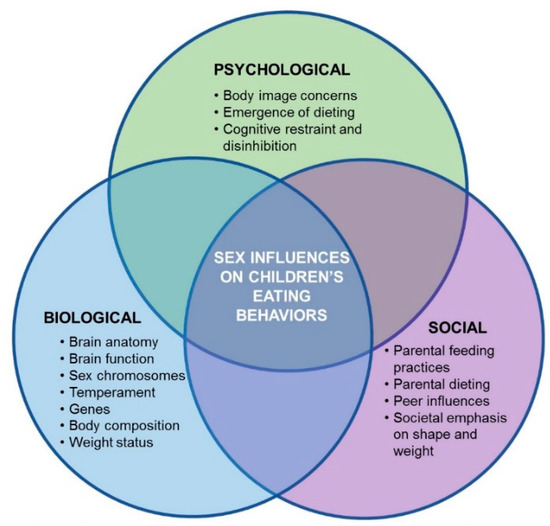
Nutrients Free Full Text A Biopsychosocial Model Of Sex Differences In Children S Eating Behaviors Html

Understanding And Treating Eating Disorders Abnormal Psychology
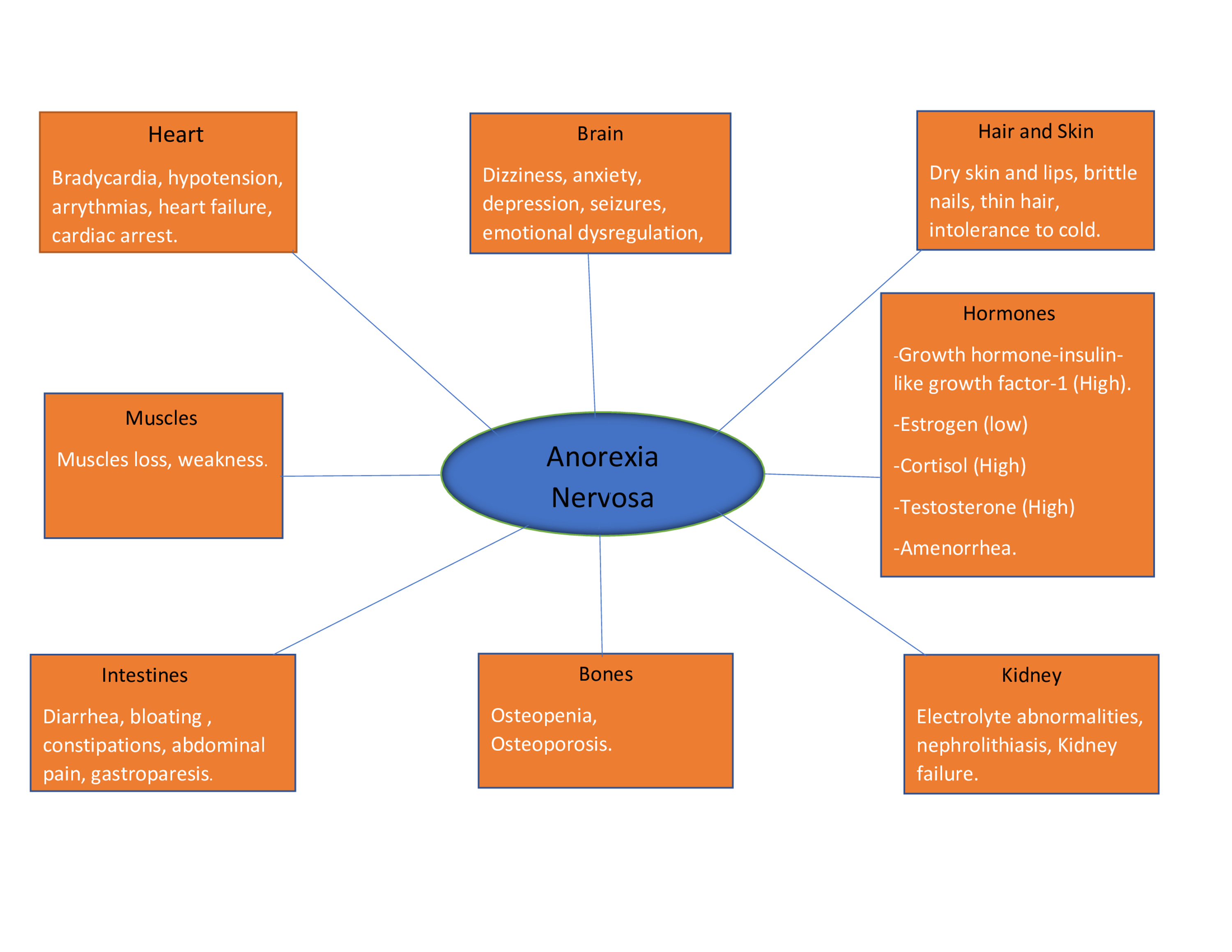
Cureus The Pathophysiology Of Anorexia Nervosa In Hypothalamic Endocrine Function And Bone Metabolism
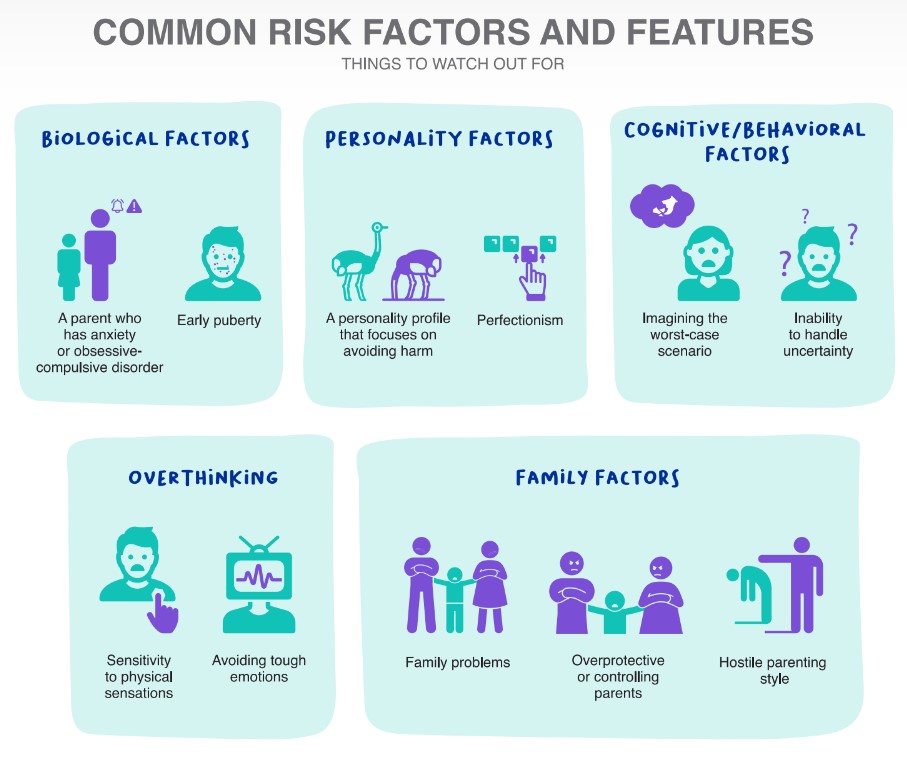
The Overlap Between Anxiety And Eating Disorders Jessie S Legacy
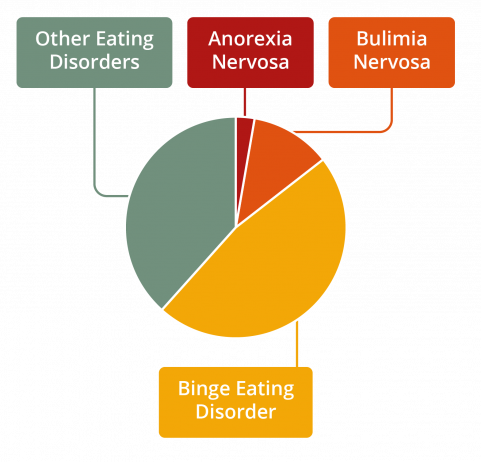
Binge Eating Disorder Bed
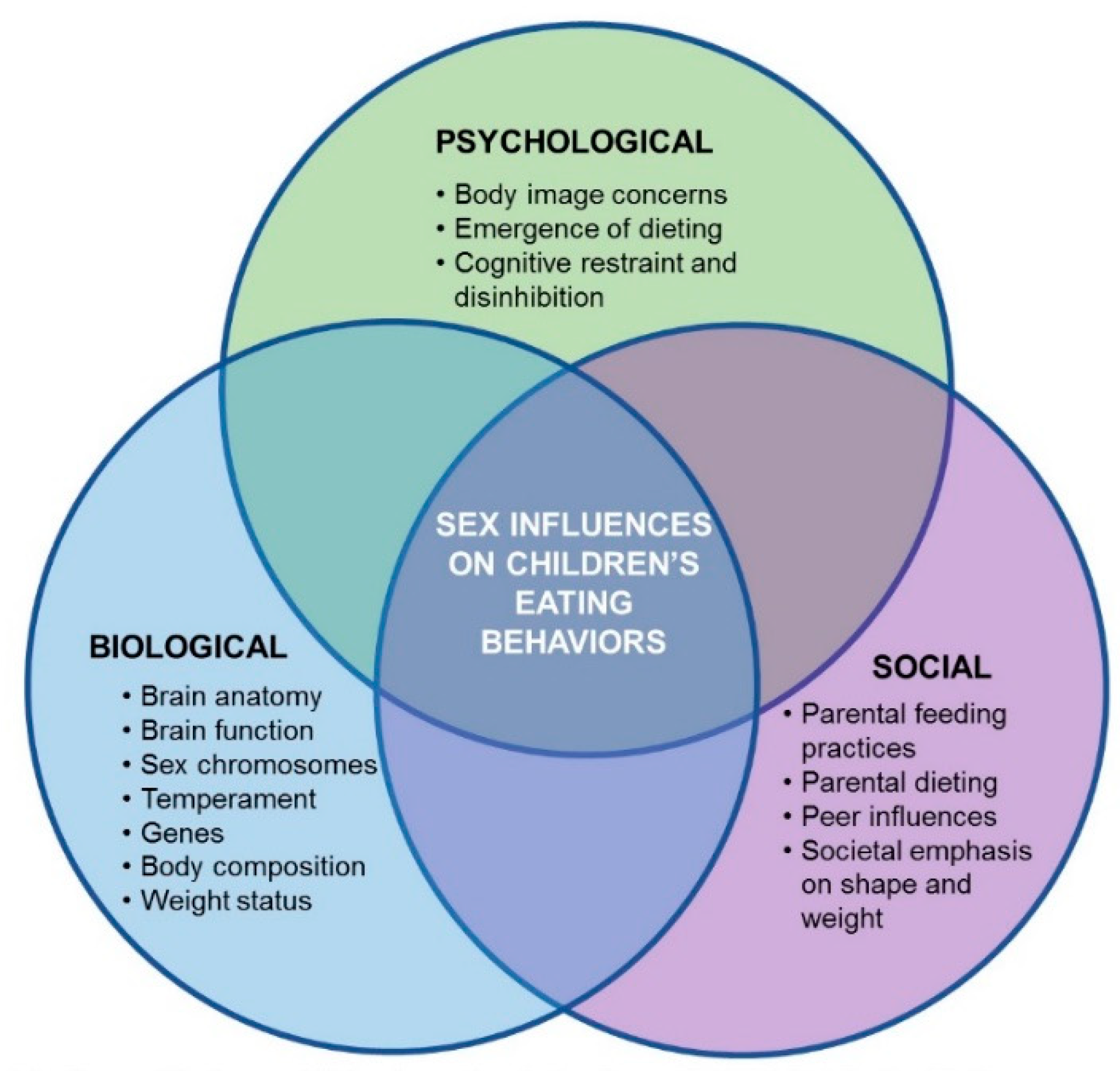
Nutrients Free Full Text A Biopsychosocial Model Of Sex Differences In Children S Eating Behaviors Html

Anorexia Nervosa Causes
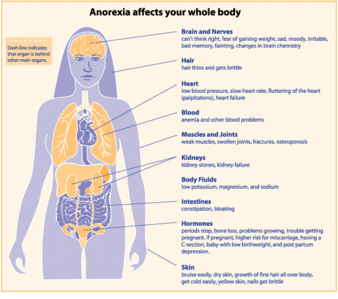
Anorexia Nervosa Physiopedia

Chapter 8 9 Flashcards Quizlet

Eating Disorders Overview Symptoms Causes The Recovery Village

Academy Of Nutrition And Dietetics Revised 2020 Standards Of Practice And Standards Of Professional Performance For Registered Dietitian Nutritionists Competent Proficient And Expert In Eating Disorders Journal Of The Academy Of


Comments
Post a Comment